Patrick, GUGP's 2015 Guide Dog Puppy

Patrick, GUGP's 2015 Guide Dog Puppy
GUGP Website

03 November 2015

She is So Much More

We've been home a little more than a month, Megan and I. We've walked our neighborhood, gone to the doctor, been to the hospital, been grocery shopping, "stuff" shopping, and dress shopping for a fancy schmancy gala we will be helping with. We've been to the pumpkin patch and on walking trails and along the beautiful St. Croix River. We've been on an airplane, a hay rack ride, and trains, buses, and cars. We've packed a lot into a little bit of time so far.

When I tell people about her and our young partnership, I tell them that we don't walk together, we fly. Every time we go out, I am awestruck by our pace and by Megan's precision and near perfection. She is exceptional. We are a fast-flying pair and we're becoming stronger and more attuned to each other every day.

Thank you—every day, I think, "Thank you." When I safely cross at an intersection, or step up a curb without tripping, or find the stairs, or walk with grace, poise, and confidence with Megan by my side, I think, "Thank you."
She is so much more than a dog ...

She is so much more than a friend ...

She is so much more than a mobility tool ...

She is so much more than a gift ...

This dog—she is beautiful, impeccably trained, hard working, happy to snuggle, loving, protective, curious, and an incredible gift of the most precious sort imaginable. She gives me freedom, independence, confidence, assurance, and safety. She is so much more ... She is part of me, part of my family, and part of our community.

Thank you, Guide Dogs for the Blind, for both of these gifts: my retired guide, Picassa, and my new active guide, Megan. They are both so much more ... than I could have ever asked for.

Nicole Schultz-Kass

20 October 2015

A Service Dog in College

Greetings! My name is Sara, and I am a full-time college student studying biology. My owner-trained service dog, Velvet, is an Australian Shepherd. There are many educational posts about service dogs and public access, but that is only a small part of their daily activities they experience with their handler. I have seen various potential handlers and current handlers wondering how being a service dog handler works while in college. This sparked my idea to do a write-up about how an average day in college while accompanied by a service dog works for me.

Let’s start off with how I prepare for Velvet’s day with me.

Supplies: I have a bag filled with Velvet’s supplies. These supplies include a mat, a popup crate, a travel water bowl, boots, and a rain coat. We don’t use each of these supplies every day, but it’s good to be prepared.

Potty Breaks: I am fortunate in that I have a ten-minute break in between my back-to-back classes, and that all of my classes and laboratories are in the same building. When you are creating a class schedule, as a SD handler it is important to factor in time for your dog to be able to take a break and do their business. Especially for those on bigger campuses where you might have to go from one side of campus to the other in a mere ten-minute window.

Now on to our day!

Lectures

Currently, my lectures can last from 50 to 90 minutes depending on the days the class is scheduled. For this, Velvet has to lay quietly and not be a disturbance to the class. I also picked out a seat where she wouldn’t be obstructing an aisle as she cannot comfortably tuck under the desks in the classrooms. This is where the mat comes in handy, so she can lay beside my desk while I’m taking notes and participating in class.
Along with sitting through calm lectures, she also has to be calm during the more exciting lectures. One time my physics professor was throwing a ball around the classroom to various students while lecturing about free-fall objects.  This was a big test, but I had worked with Velvet on impulse control around various distractions. Even in “boring” lectures, you have to be prepared for anything!

Around Campus
Velvet at the coffee shop.
During my longer breaks in between lectures, I might go to the computer lab to work on coursework. In this case, Velvet will go into a tuck underneath the desk as to not take up additional room. If I don’t have anything to work on, I will go to the coffee shop and chat with friends over a frappe. I also have to consider that Velvet has been cooped up in lectures, and could use an off-duty break. This is especially important to remember if I have a lab that day, as that can last 3-4 hours. So often, I will take her for an off-duty walk around campus to let her stretch her legs and have some fun. After all, at the end of the day, she is a dog!

Laboratories

This is one topic that has different responses. To take your service dog to laboratories or not? In my experience thus far, it depends. For example, I do not take Velvet to my biochemistry lab due to the chemicals we are working with. I do not want to expose her to that, or disrupt that kind of environment by bringing in a dog. But for my physics lab, as long as we aren’t working with projectiles, I bring her. She is underneath the lab table on her mat, and I let her work on her Benebone for entertainment while my lab partner and I work on the experiment.
Along with my credit hour labs, I am also doing independent research in paleobotany. Part of my research includes making acetate peels of specimens, part of which involves having to etch the fossils in a tub of hydrofluoric acid. I am in a lab coat, rubber apron, rubber gloves and a face shield, so I obviously wouldn’t bring Velvet into this environment. My research setup is in a lab side room, so when I am working on my project, I have Velvet's popup crate set up in the main lab. The lab room she is set up in only hosts introductory level biology courses, so she is not exposed to chemicals there.
Overall, while we had to make some adjustments, we were still able to work around having a service dog in college. While it might seem daunting to have to not only adjust from “college life” to “college with a furry shadow life,” the benefits of the accommodation were worth it. My daily life has been enhanced with Velvet by my side as I go through my education.


Sara

06 October 2015

First flight

Flying with a service dog is a lot like traveling with a very obedient and helpful toddler. As long as you are well prepared, and anticipate pretty much any need that may arise, you'll be fine. You'll just be carrying a lot more stuff than usual, and most of it won't be yours. And you'll have a preoccupation with pottying that will be perplexing to anyone who has never traveled with a dog.
My service dog's gear always takes up at least one drawer in the hotel room.
That first flight though ... It can be a bit scary, especially if you've never flown with a service dog before. And even when you have, it can still be nerve-wracking to take your young, inexperienced partner on his or her first plane trip.
Experienced traveler Juno:
Unimpressed by all airplane-related things.
Juno, my first service dog, made her first flight when she was almost five years old. I was headed back to Ann Arbor, Michigan, so we flew Delta (the only airline that flies direct from San Francisco to Detroit). Delta is the only airline I've flown where I have never had a bad experience getting my tickets. Their disability hotline staff are impeccably well-versed in the Air Carrier Access Act (ACAA), which is the federal law covering service dog access on airplanes.

As ever, my girl was a pro, despite my nerves. At security, she got a pat down from TSA because I chose to call her through the metal detector wearing her service dog gear. Hilariously, when the first TSA agent discovered Juno was female, he immediately called for "female assist." (This has never happened with Kaline, my current—male—service dog, even if he's about to get a pat down from a female agent).
Juno just past security at SFO.
We got on the plane and Juno promptly curled up in the tiny bulkhead space at my feet (I have since learned to fly economy plus, where the dog usually has more room to stretch out under the seat in front) and went to sleep. Her powers of sleep and relaxation have always been fairly mind-blowing, but even so I couldn't quite believe that she slept through both the takeoff and the landing.
Juno on her first flight.
I always remove my dog's service dog gear
for the flight so s/he can fully relax.
Juno was also a very easy traveler because she has efficient relieving habits. You tell her to "get busy," and she does. Immediately. No. 1, No. 2, and done. She also seems to have an iron stomach (no matter what she eats, it almost never upsets her digestion) and an iron bladder. Her only requirement is that the pottying happen on something other than cement or asphalt.

I should note that airports legally must have a service dog relief area. However, that area does not have to be conveniently located or in any way appealing to dogs. San Francisco's area seems to be miles away from everything useful, and is slightly smelly and rather uncomfortable rocks dumped into a chain-link enclosed pen. They've tried to make it cute by having you follow little pawprints to get there, but after fifteen minutes of following said pawprints, you start to get a little annoyed.

Which brings me to one of the major perks of traveling with a male service dog who lifts his leg. Any vertical surface can be a potty spot! No need to wander about looking for grass, dirt, or gravel. Find a handy pole somewhere out of the way, and you're golden.

In that regard, Kaline has learned to do something Juno never had the opportunity to do: How to pee inside in the best service dog relief area ever. Just before Kaline's first flight, the Detroit airport put in a fabulous relief area inside security. The amount of anxiety this relieves can't really be overstated.

First of all, having to go through security twice due to needing a potty break is just a pain, especially if your disability affects your stamina and/or mobility. Trying to get out to the distant potty spot and then having to do security during a layover is even worse. Having a relief area inside security saves a handler innumerable amounts of stress and energy.

And you may have seen the story that made news of the service dog who had such a bad accident on a plane that they had to make an emergency landing ... That story features prominently in the nightmares of many handlers. The easier it is to potty your dog right before you fly, the better! The first time I asked Kaline to eliminate there, he looked at me like I was insane—"We don't PEE inside! What's the matter with you?" Now, when we get off the plane in Detroit, he books it straight to the area by Gate 34.
Can't beat the Detroit relief area.
Kaline's first flight was nerve-wracking in different ways from Juno's. With him, I had a good idea of what to expect at the airport and on the plane. I was able to prepare him more specifically for the ordeal. We practiced the stand for examination endlessly, since he is a far more stranger-social dog than Juno and would likely try to lick the TSA agent to death if allowed. He learned to curl up in a little ball at my feet and ride in the passenger foot-space of the car, getting comfortable in a small space and becoming accustomed to the rumbling feeling, as well as occasional "turbulence" if my dad was the driver.
Baby Kaline in the passenger foot space of my car.
We even did a practice run through security with my friend Sonja, whose service dog Chief is Kaline's best buddy. Practice runs are far more to settle any handler nerves than to settle the dog's. Kaline was completely fine, and once I saw him do it without the pressure of a flight to catch, I was able to be much more relaxed during the real thing!
Kaline waiting to board his first flight.
Kaline was only sixteen months old when he did his first flight. It worked out that both my parents were going on the trip, so we took up a whole row on the plane. This turned out to be really good, because Kaline did not sleep through takeoff or landing. I had armed myself with high value treats, expecting this to happen, so he got rewards all during the scary parts in addition to being cuddled by the whole family.
Kaline on his first flight, once the excitement of takeoff had ended.
Being a diva Doberman, Kaline was also more high maintenance in flight than Juno because he believes any temperature under 60 degrees to be extreme cold. Our last several flights have been so warm as to be nearly uncomfortable, but back then all the planes were very chilly. Where Juno just curled up on a thin mat and conked out, in "cold" Kaline requires: a thick Ruffwear pad to insulate him from the plane's cold floor, his Ruffwear Cloudchaser, his fleecy pajamas, and sometimes a Delta blankie from a kind flight attendant.

Though Kaline did well in the air, his apprehension during takeoff and landing was a bit worrying to me. However, with every flight he took, that diminished. Today, Kaline is a pretty experienced flyer and is unimpressed by all the strangeness of air travel.

All he needs is a comfy headrest, and he's good to go!


Colt


29 September 2015

Patrick is growing!

Hi everybody! Sorry if my last blog was a little sad, I promise this one won’t be. Patrick has been with us for two and half months now, and boy has he grown! I can’t believe it—he is as tall as I am now! None of the other puppies I have helped raise have grown this fast.
He is doing pretty well, but can still be an annoying little brother at times. He is always moving! If Patrick wore pants, I would say he acts like he has ants in his pants. I thought that I had a lot of energy, but Patrick even wears me out sometimes. When he does finally tire out he likes to lay really close to me. He’s actually pretty sweet when he is tired.
Patrick is learning a lot. He finally knows to go potty outside like me and Ozzy, which is nice. I don’t like potty inside the house—it makes Mommy upset. He also know how to walk with us much better now, but sometimes likes to hold either my leash or his own leash in his mouth as we walk.
He can still be very loud at times, especially if another dog barks or if he sees another dog, Mommy is spending a lot of time trying to help him with that.

Patrick has also earned a little more freedom in the house and he is constantly trying to get someone to play with him. He likes to take toys to Mom or Dad and drop them at their feet or in their laps and stare at them.
He will also bring toys to me and ask to play tug. I love playing tug! But don’t tell that to Patrick. I like to be cool and say, “ I guess I will play with you—if no one else will.” I don’t want him to know that I actually like playing with him, it may go to his head. Sometimes I let him win ... just to be nice. I do worry though that he is going to get so big that I won’t be able to win if I want to. Ozzy is also starting to play with him a little and Patrick likes to try to play keep away with toys with him. Patrick is pretty smart and tries to outwit Ozzy, but Ozzy is pretty smart too.

Now that Patrick is getting a little bigger, Mom and Dad have been taking him out on his own more often. I don't like this as much. I don’t like being left out. But Mom has made a little special time for me too. We recently went to the pet store, just the two of us. She let me see all the little animals there, which was fun. I tried to convince her to let me get a pet rat because they were so cool to watch, but no luck.
I did guilt her into buying me a new toy and a special treat, hehehe. I have great sad puppy eyes. I learned this trick from Eli—he was the master of the sad puppy dog eyes. When we would go to the store when he was still with us, the people at the checkout would just keep giving him treats! His eyes had special powers on people, I’m good, but not Eli good.
Ricki attempts to channel Eli in order to get a bite of that yummy sandwich.
Oh my Dawg! I almost forgot to tell you about Sebastian! Mommy brought home a super tiny kitty last week. We had a naming contest and Sebastian was the winning name. l really wanted his name to be Koda, just like the bear I met at Disneyland.
I was a little frightened of him at first, but he was calm and nice. Anyway, I love kittens! They are really fun to lick and clean. Ozzy really likes him a lot too, I think he misses his kitty, Fidget.
I’m trying to be as helpful as possible with Sebastian because Mom’s pretty busy with so many other things. The first week we had him Mom had to get up in the middle of the night to feed him and I would always get up with her to see if she needed any help. Ozzy just kept sleeping and wasn’t very helpful. He prefers to just play with him rather than help with the hard stuff.
Patrick is very interested in our older kitties and wasn’t sure what to make of Sebastian when he first arrived. I think Patrick thought Sebastian was a toy at first and tried to grab him from Mommy’s hand. Mom and I have taken some time to show Patrick how to be calm around a baby kitten.
I have to say I’m really proud of Patrick. He actually took the time to slow down and listen to what we were trying to teach him. He can now sit quietly next to Mommy and me while Sebastian gets fed. Anyway that’s all the update that I have for now. I think I hear Sebastian crying so I better go help Mommy get him fed and clean.
Wags and kisses,
Ricki

24 September 2015

GUGP and Puppy in Training TV

Is it easy to start a web video series about puppy raising?  No. The number one most difficult part about starting a web video series for me was getting that first Puppy In Training TV video published. In fact the series was supposed to start with the puppy before Dublin.

It all started shortly after turning in puppy in training No. 1, Stetson.

Puppy in training Derby at the beach
Before picking up Derby, puppy in training No. 2, I had a grand idea to document his journey as I had done with my first pup, Stetson, on the Puppy in Training blog. This time, however, I would use my brother’s camcorder and publish videos instead of writing on a blog.

Armed with my brother’s camcorder and a couple of friends, we drove out to Guide Dogs of America to start Derby’s video adventure. I got some nice video clips of Derby and his littermates at GDA puppy pickup. The following weeks, I took more great footage of Derby and his pals playing at puppy kindergarten, obedience classes, and outings.

Then everything went wrong. I had no idea how to edit a video. I had no idea how to do voice over or talk to the camera. I still don’t know many things about creating a good video, but I’m learning.

So what happened to all the great footage I had of Derby? I took baby steps. I edited and put together a short movie of Derby and his two siblings Dexter and Dutch attending puppy kindergarten. These movies were never posted to Vimeo or YouTube, but instead I shared them with my fellow puppy raisers when Dexter and Dutch went on to guide dog college.

I also uploaded short movies of Derby testing a slow feed dog bowl.  Derby was a fast eater and sometimes choked on his food (I know, unusual for a Lab). I put together these movies using my Macbook, iMovie, YouTube, and my brother’s camcorder (I think I may have had a tripod, too).

Raising Derby taught me the basics of web video and gave me the foundation I would need before launching Puppy In Training TV.

The Influence Of GUGP on Puppy In Training TV

Dublin working hard at the office
I remember as clear as day: “Growing Up Guide Pup” in my Google Reader Dogster news feed.  I clicked through to find an embedded YouTube video with the heading, "Check out this week's vlog for an update on our favorite guide pup's progress. Ricki is getting so big!"

It was so cool!

The featured video was episode five, so I went back and watched episodes one through four, and saw my future web series unfolding before me.

Amie and Matt put together something much better than I could have ever dreamed of and it gave me the template I needed, motivation, and inspiration to start my own web video series.

I had no idea what I was doing when I picked up the camcorder and started shooting video of Derby two years earlier. Growing Up Guide Pup helped me get more organized. That night I started writing the scripts to my first few episodes for Puppy In Training TV.

  1. Ep3…

I tried to put together weekly episodes like Growing Up Guide Pup, but I found it way to difficult to keep up. I was lucky to get one episode a month published to YouTube.

It took over two years to publish my first episode of Puppy In Training TV. In August 2010, I uploaded Puppy In Training TV - Ep1 - Picking Up Your Puppy to my YouTube channel.

If I had never discovered Growing Up Guide Pup, I would never have completed my vision of a web video series about puppy raising.

The Influence of GUGP on Puppy Raisers


I’ve been fortunate enough to get piles of positive feedback from the Puppy In Training TV video series. I can only imagine that the influence of Growing Up Guide Pup is ten-fold of what I’ve experienced.

What does GUGP do for puppy raisers?

  1. It brings in new puppy raisers. I would guess that GUGP has brought in tens, if not hundreds, of new puppy raisers across the country.
  2. GUGP shows puppy raisers some of the many outings they can go on with their puppy in training, from the ball games to county fairs to Disneyland. Getting your puppy out and about and used to public places is a big part of puppy raising.
  3. Training issues. Puppies don't come to puppy raisers as a finished product. GUGP shows that our puppies aren’t always perfect. It takes time, patience, persistence, consistency, and a lot of other adjectives to get your puppy ready for guide dog college.
  4. Help! I bet Amie and Matt have had to answer thousands of questions about puppy raising. Growing Up Guide Pup gives puppy raisers a forum to ask experienced puppy raisers questions like, “How do you give up your puppy?  I could never do that…”
  5. This might just be my own personal thing, but GDB Fun Day! Ever since I saw the episode on Guide Dogs for the Blind Fun Day I’ve wanted to go.  Maybe someday you’ll see me and my puppy in training at GDB Fun Day at the San Rafael campus.

What do you guys think?  Has Growing Up Guide Pup influenced you in some way?  What has GUGP done for you?

Thanks Amie, Matt, and Ricki for all you’ve done with GUGP and here’s to your continued success with GUGP 2.0!


Colby


Have a service dog or puppy raising story you'd like to share? Send it to us! We will be featuring posts by guest authors on a regular basis.

15 September 2015

The variety of service dogs

If you're a fan of Growing Up Guide Pup, you probably know a fair amount about guide dogs and their job. You know that Golden Retrievers and Labradors are the most commonly used breeds, with a smattering of German Shepherds.

However, a service dog can be any size or breed, as long as the dog possesses what it takes to do his or her job. And these dogs can help disabled people with a variety of challenges, not just visual impairment. I'd like to introduce you to some of the amazing dogs whose handlers I've gotten to know in my time in the service dog community.


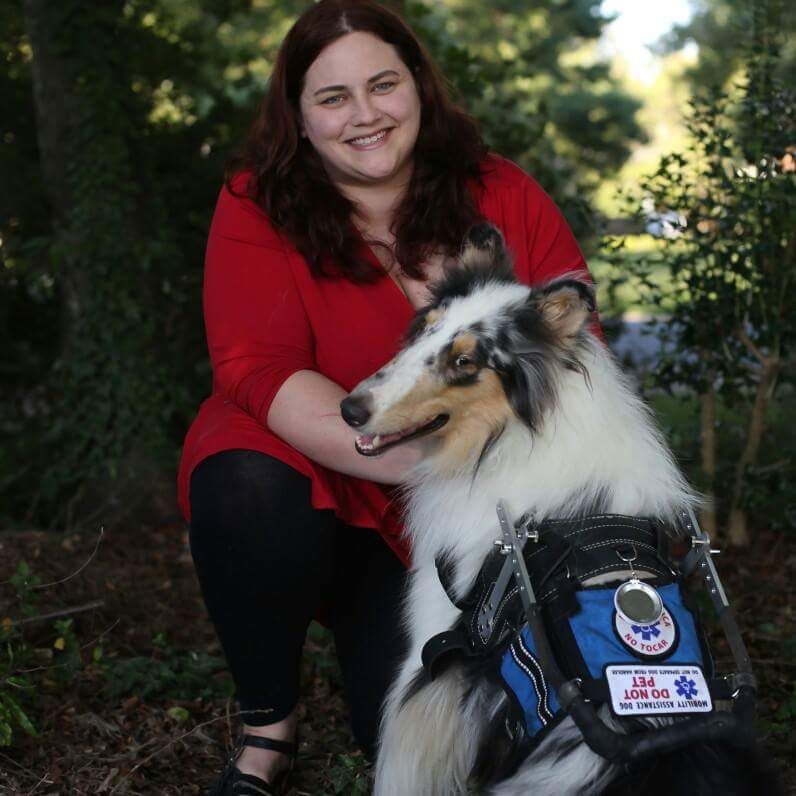
Lucas
Age: 2.5 years
Breed: Rough Collie
Status: Fully trained service dog (owner trained)
Job Description: Mobility and life assistance
Favorite Task: Retrieving objects and getting items off of shelves
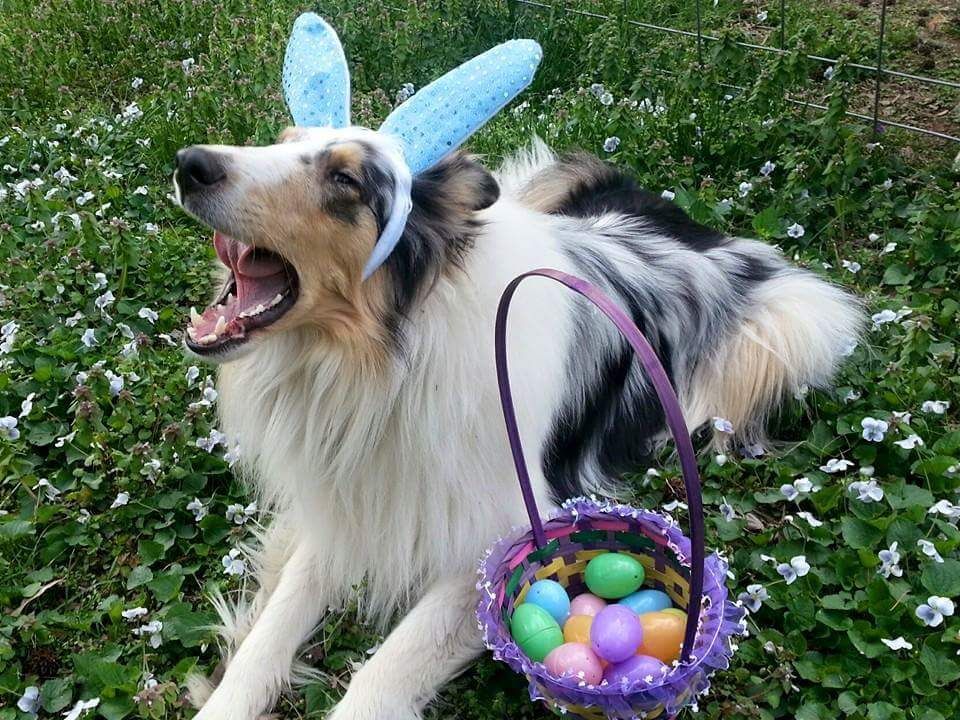
Favorite Off-duty Activity: Roughhousing with his brother, Soren

And, sometimes, dressing up like a bunny.
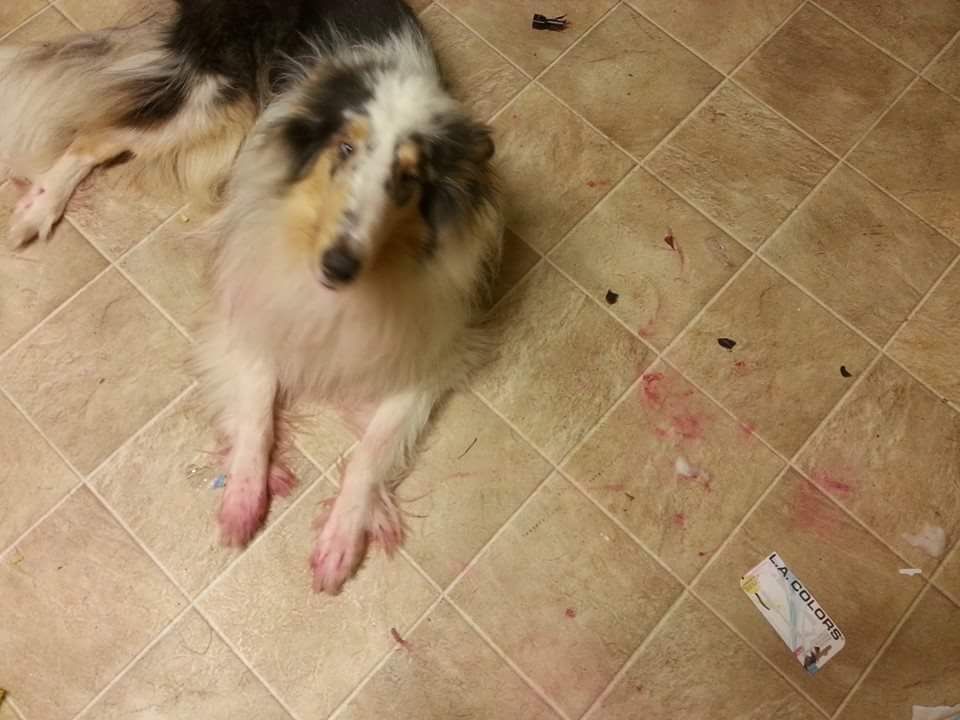
Naughty Moment: Lucas once got into his handler's makeup when he was off duty and chewed up all her lipstick. She came home to him covered in red. When he was younger, he also once ate all of her left shoes. 


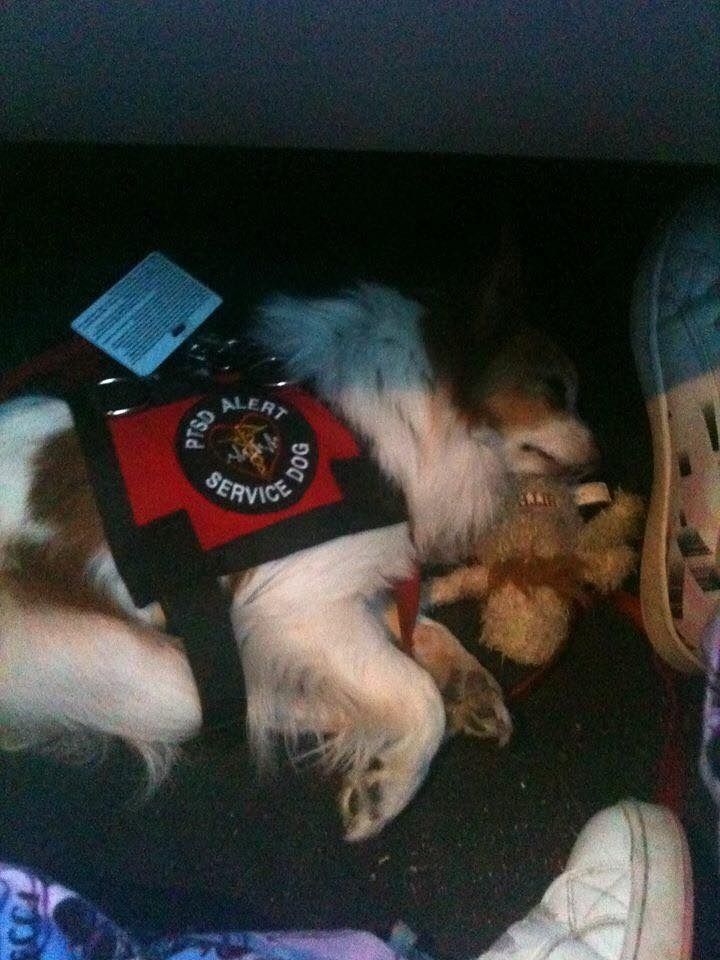
Rico Suave
Age: 9 years
Breed: Papillon
Status: Fully trained service dog (owner trained)
Job Description: Medical alert & psychiatric service dog
Favorite Task: Leading his handler to exits
Favorite Off-duty Activity: Sleeping
Naughty Moment: When Rico was still in training, he once crawled under a bathroom stall divider and scared the woman in the next stall by looking at her. 


Gir
Age: 2 years
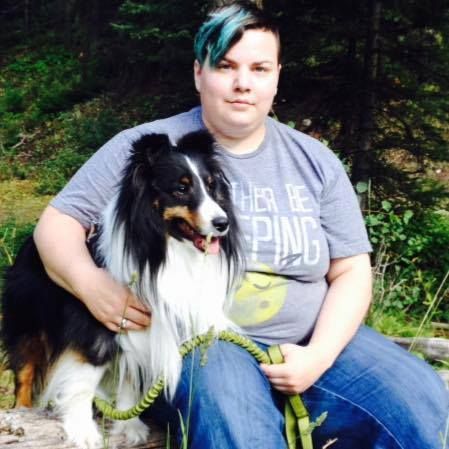
Breed: Shetland Sheepdog
Status: Fully trained service dog (owner trained)
Job Description: Medical alerts (including blood sugar, migraine, low blood pressure, and heart rate spikes). Psychiatric work such as deep pressure therapy, interrupting self-harm behavior, and response to panic attacks.
Favorite Task: Engaging with his handler to interrupt flashbacks
Favorite Off-duty Activity: Playing with a flirt pole
Naughty Moment: Gir enjoys counter-surfing for goodies.


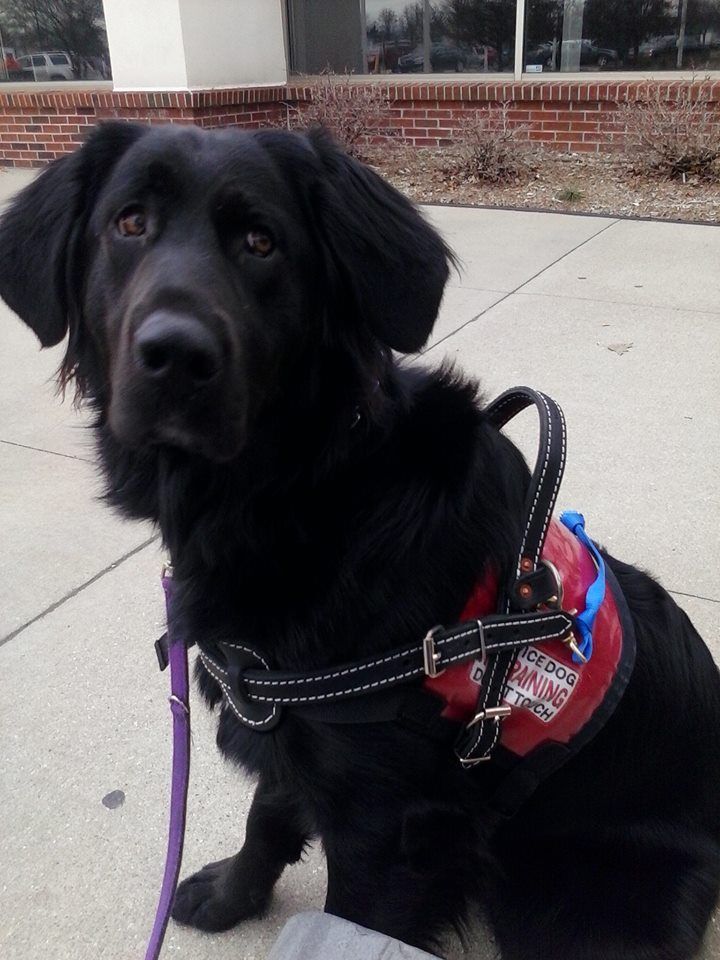
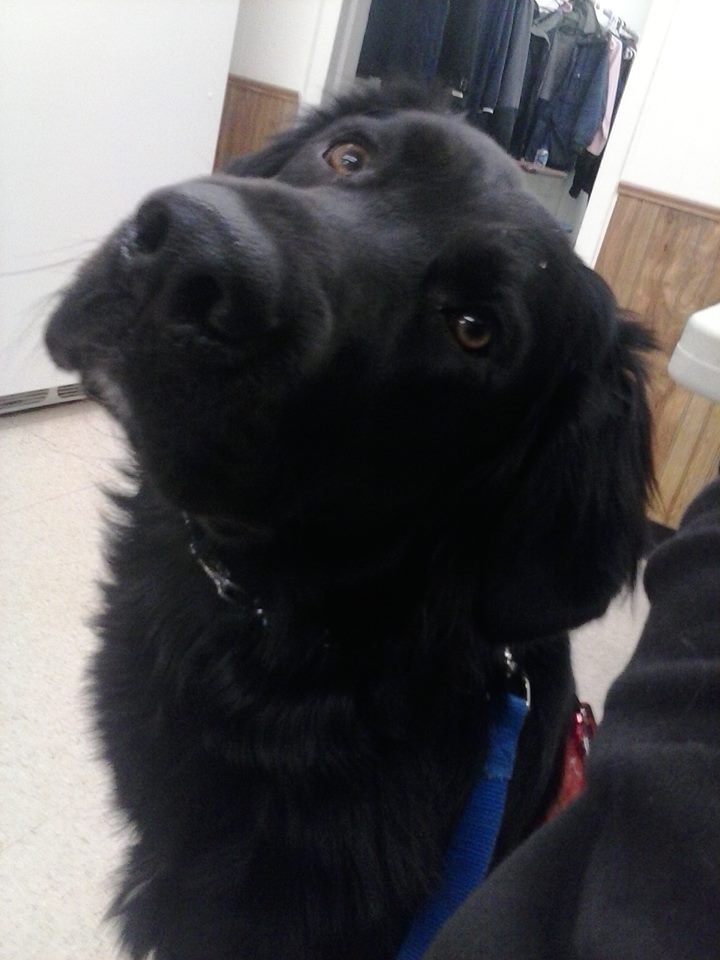
Rory
Age: 2
Breed: German Shepherd/Newfoundland mix
Status: Service dog in training (owner trained)
Job Description: Mobility support and psychiatric tasks
Favorite Task: Retrieving objects
Favorite Off-duty Activity: Swimming


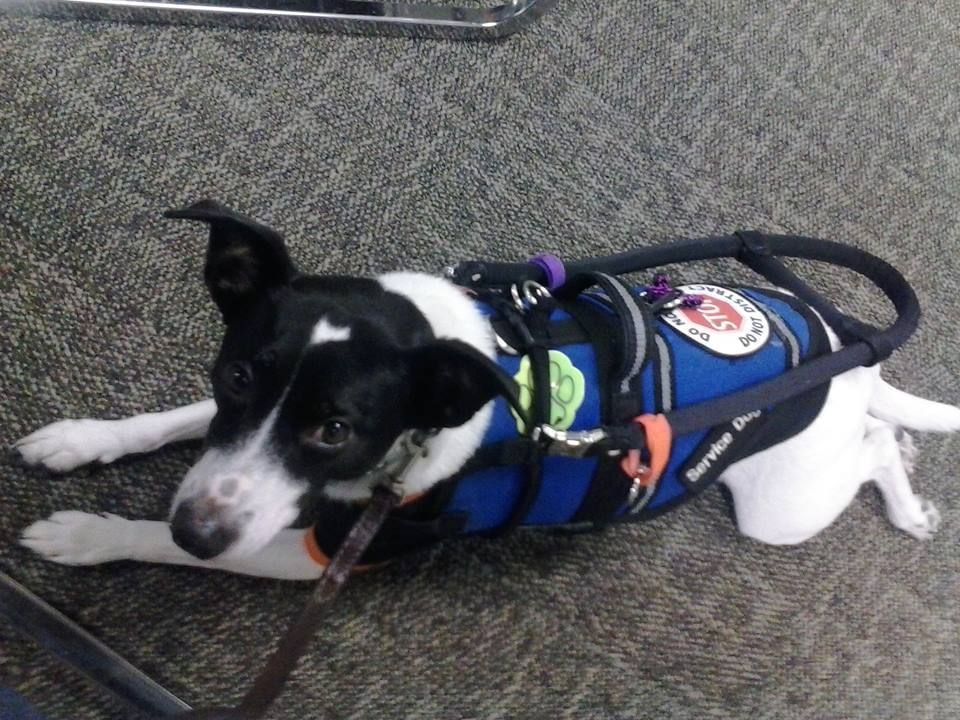
Parker
Age: 8 years
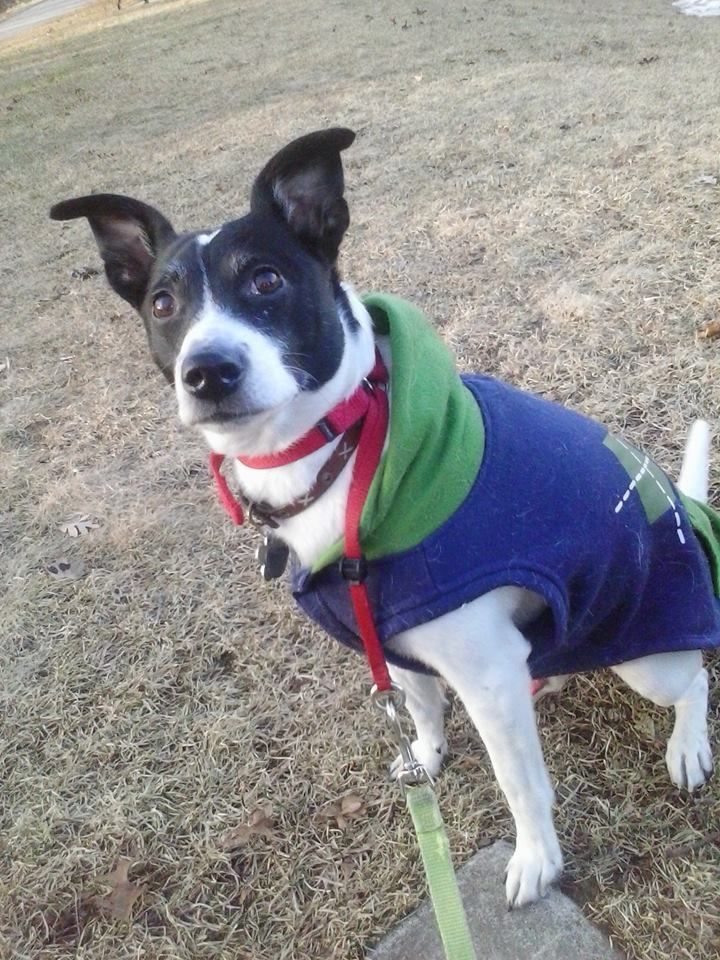
Breed: Rat Terrier mix
Status: Fully trained service dog (owner trained)
Job Description: Psychiatric support, minor mobility tasks, retrieving
Favorite Task: Searching rooms before his handler enters
Favorite Off-duty Activity: Killing and unstuffing squeaky toys


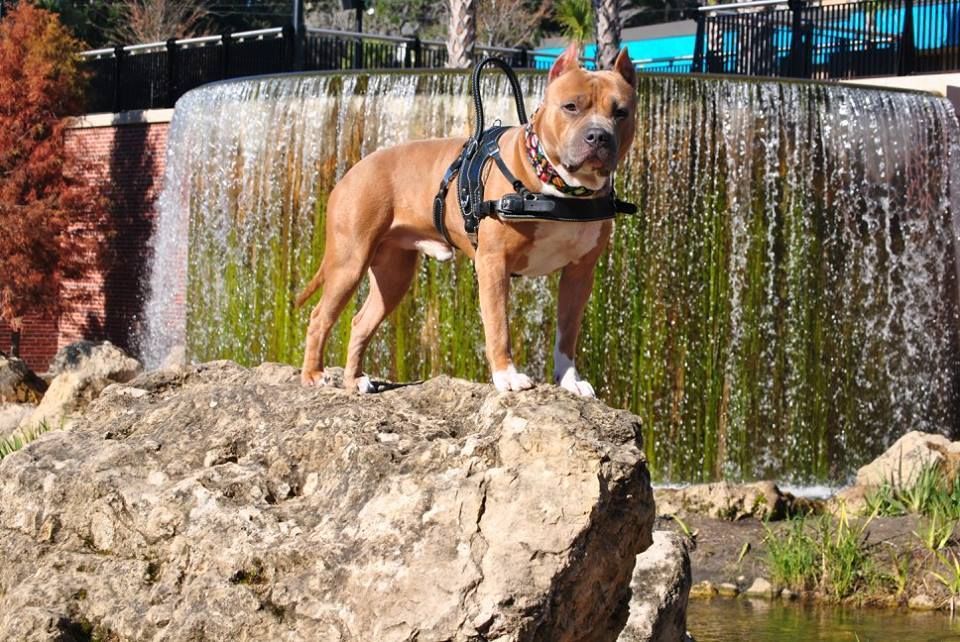
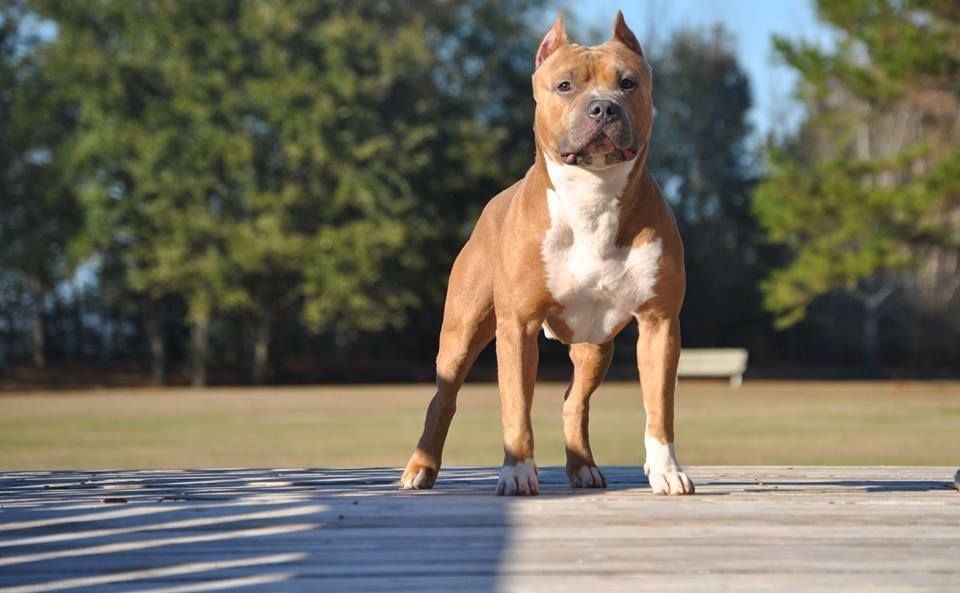
Doogan (Full Name: URO1 CH'PR'PPK's Sir Doogan Gooseberry CGC TT)
Age: 3.5 years
Breed: American Pit Bull Terrier
Status: Fully trained service dog (owner trained)
Job Description: Medical alert and mobility assistance
Favorite Task: Carrying all the things, no matter what the objects happen to be
Favorite Off-duty Activity: Posing for the camera and strutting his stuff in the show ring


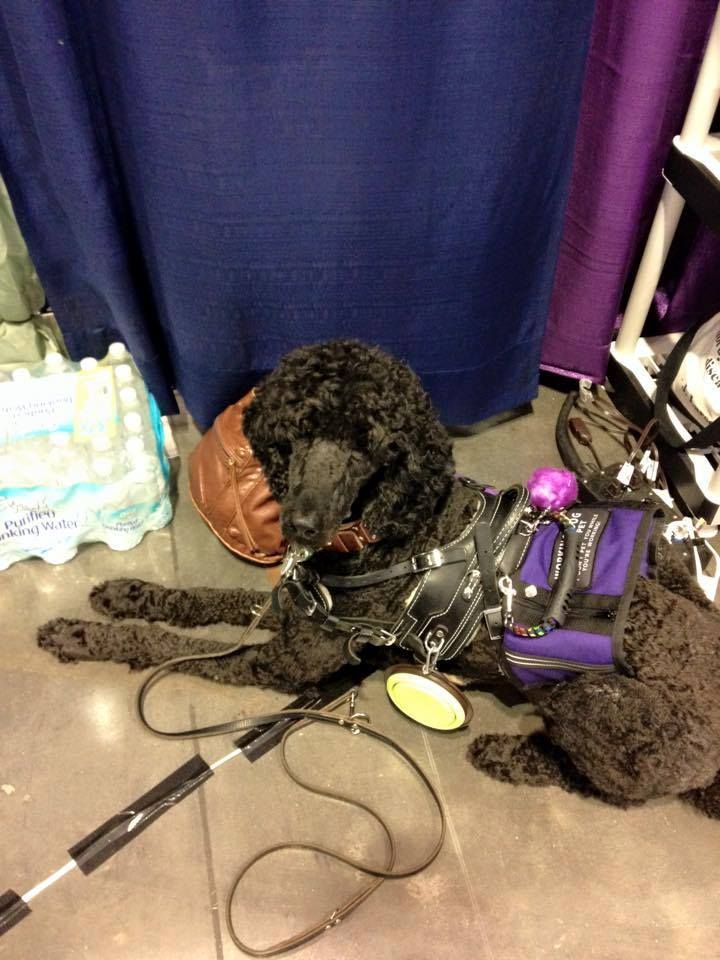
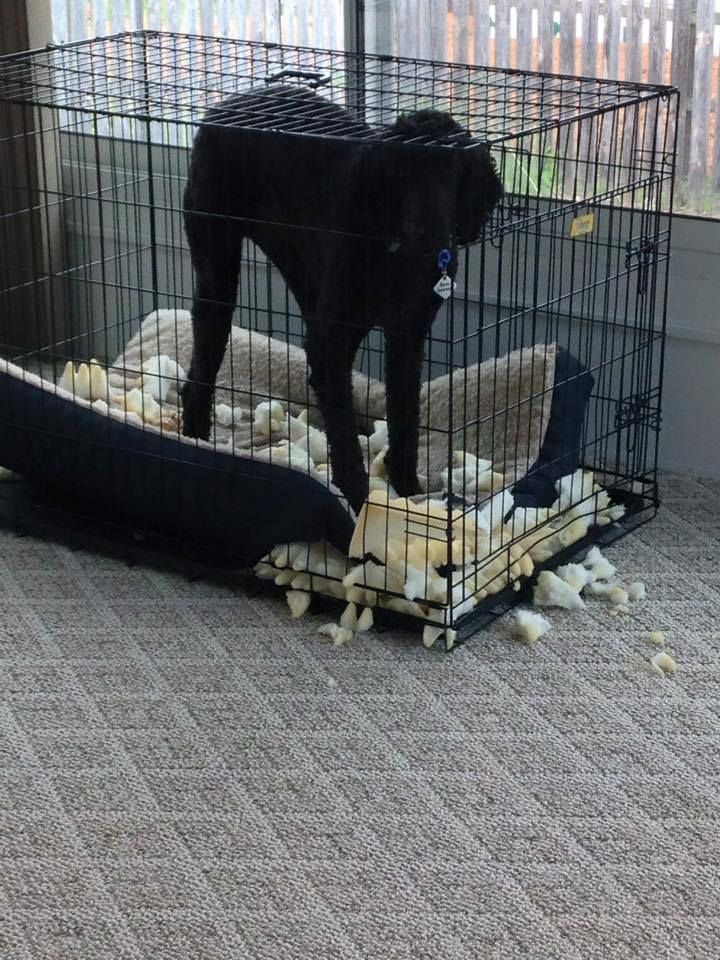
Watson
Age: 2.5 years
Breed: Standard Poodle
Status: Fully trained service dog (owner- and program-trained by Dreamrun Dog Training LLC)
Job Description: Mobility/balance, medical alert & response, anxiety alert & response
Favorite Task: Finding "grandma" and picking things up
Favorite Off-duty Activity: Playing with his frisbee, flirt pole, or tennis ball launcher
Naughty Moment: Watson once destroyed his bed inside his crate.


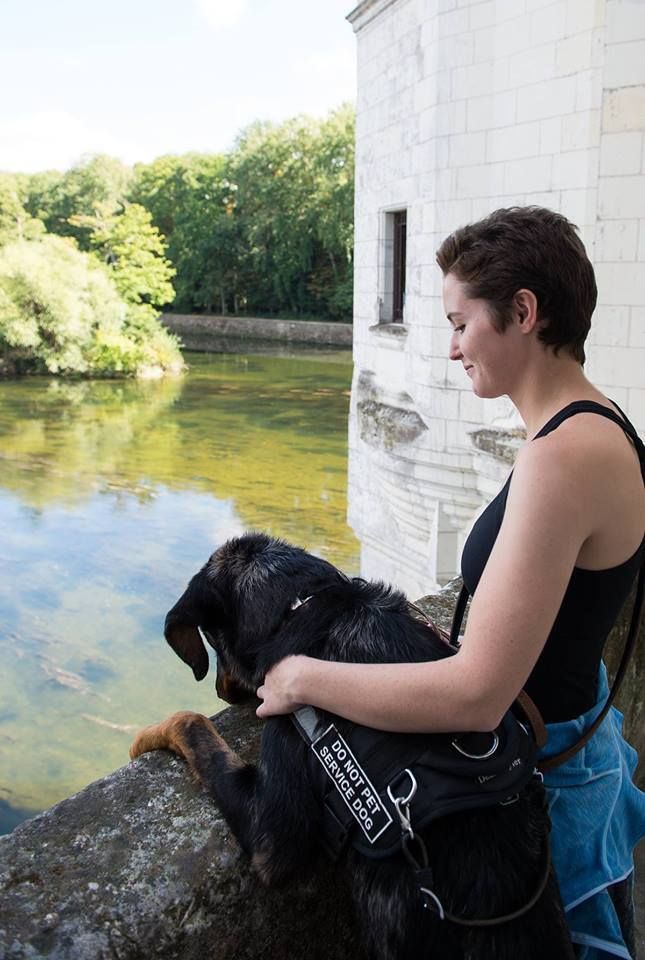
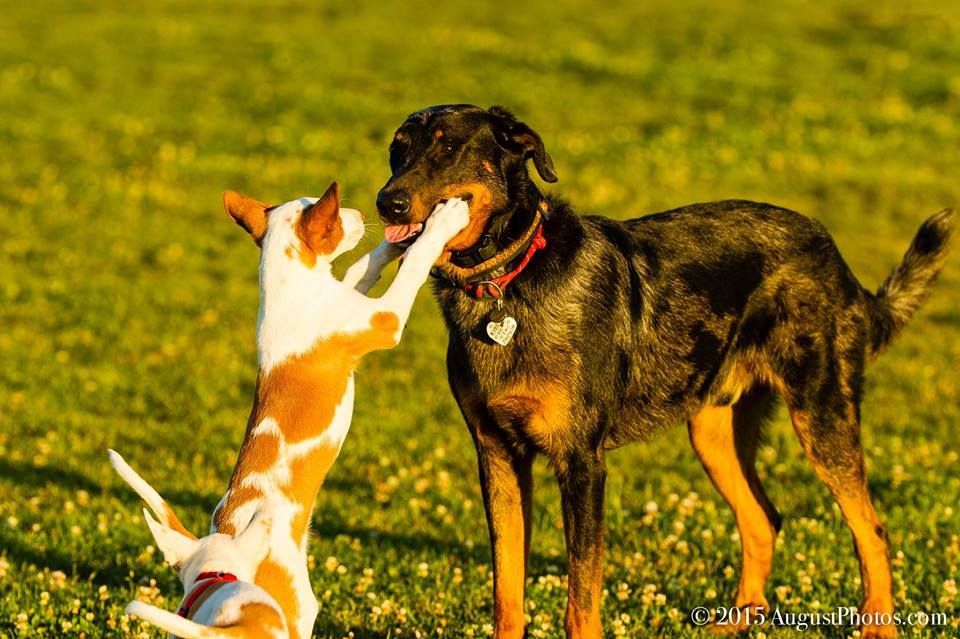
Voltaire
Age: 2 years
Breed: Beauceron
Status: Fully trained service dog (owner trained)
Job Description: Mobility assistance and medical alerts
Favorite Task: Retrieving objects
Favorite Off-duty Activity: Playing ball, raising puppies, swimming, swimming while retrieving balls
Fun Facts: Voltaire is originally from Burgundy, France, and was able to fit under the airplane seat as an eight-week-old puppy. He is now over 100 pounds!
Voltaire with one of "his" puppies


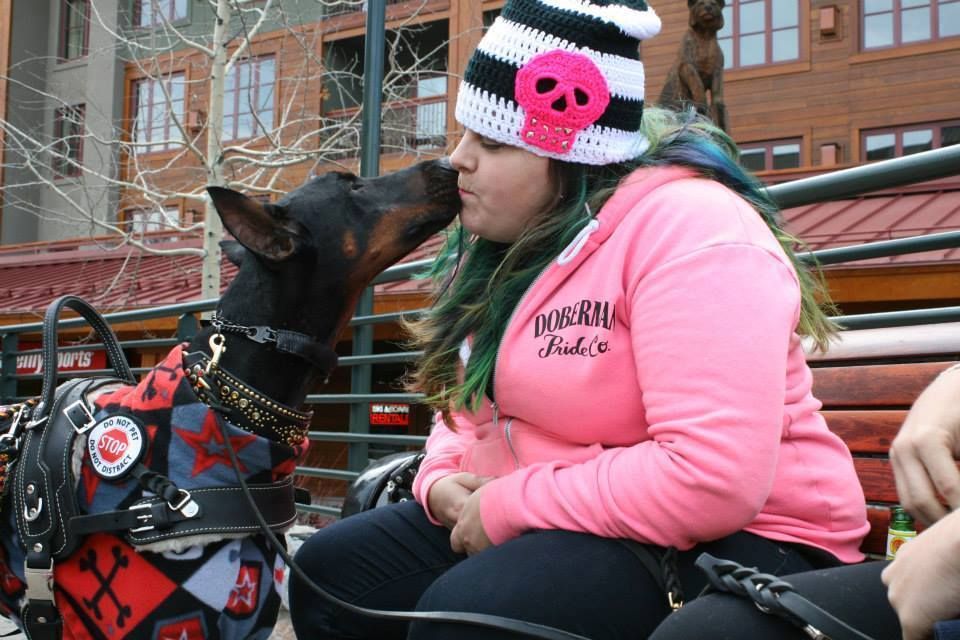
Bruce
Age: 6.5 years
Breed: Doberman
Status: Fully trained service dog (owner trained)
Job Description: Psychiatric and light mobility assistance
Favorite Task: Deep pressure therapy and interrupting behaviors
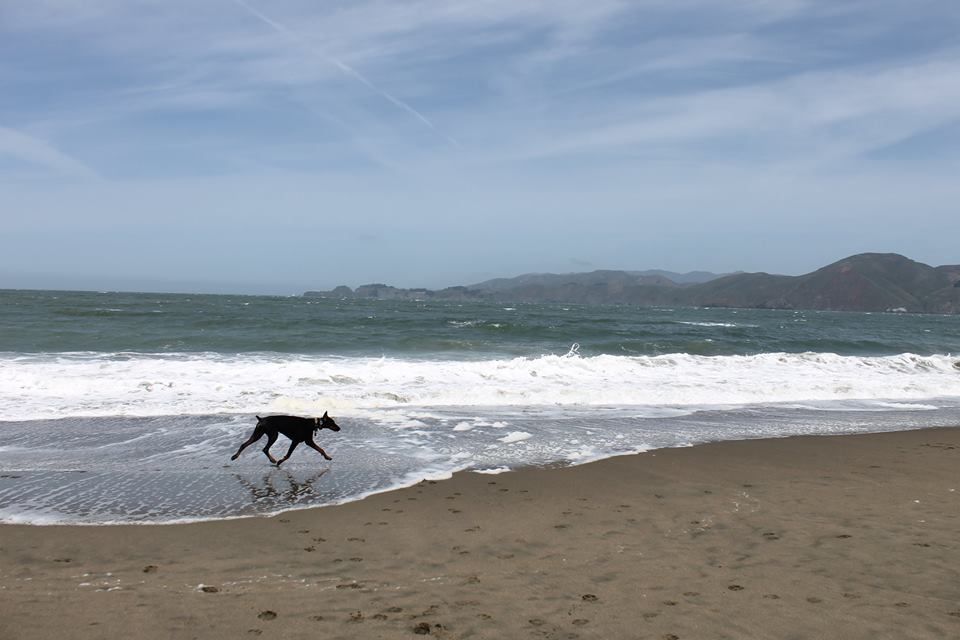
Favorite Off-duty Activity: Running on the beach
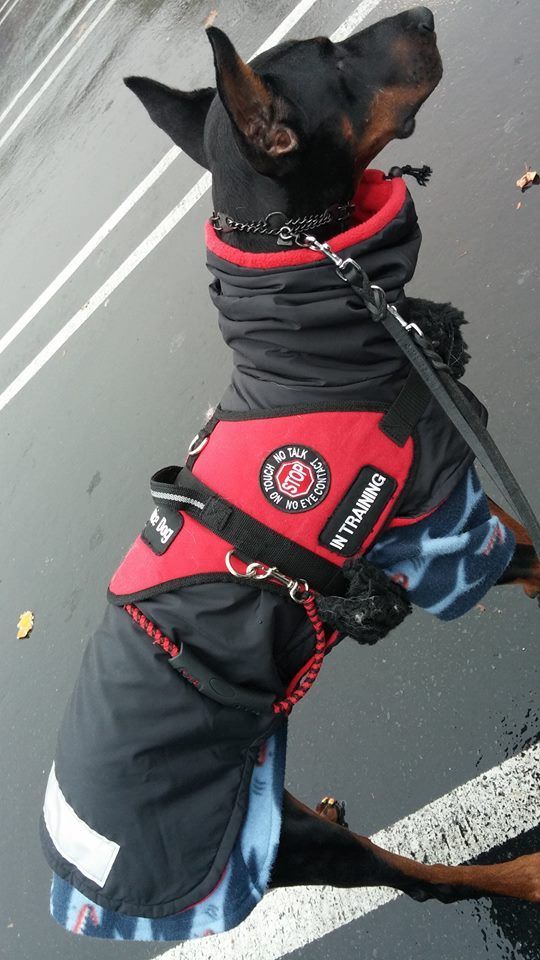
Fun Fact: Bruce, being a Doberman, is pretty high maintenance when it comes to chilly weather. No matter how many layers he's wearing, though, he's always professional.


Colt