
Editor's Note: Not all of the breeds pictured are suitable for inexperienced handlers/trainers. However, in the right hands, they can be excellent working partners.
You've done your research, spoken to family and friends, and you've decided a service dog will be a valuable part of managing your disability. Now you need to pick a breed.
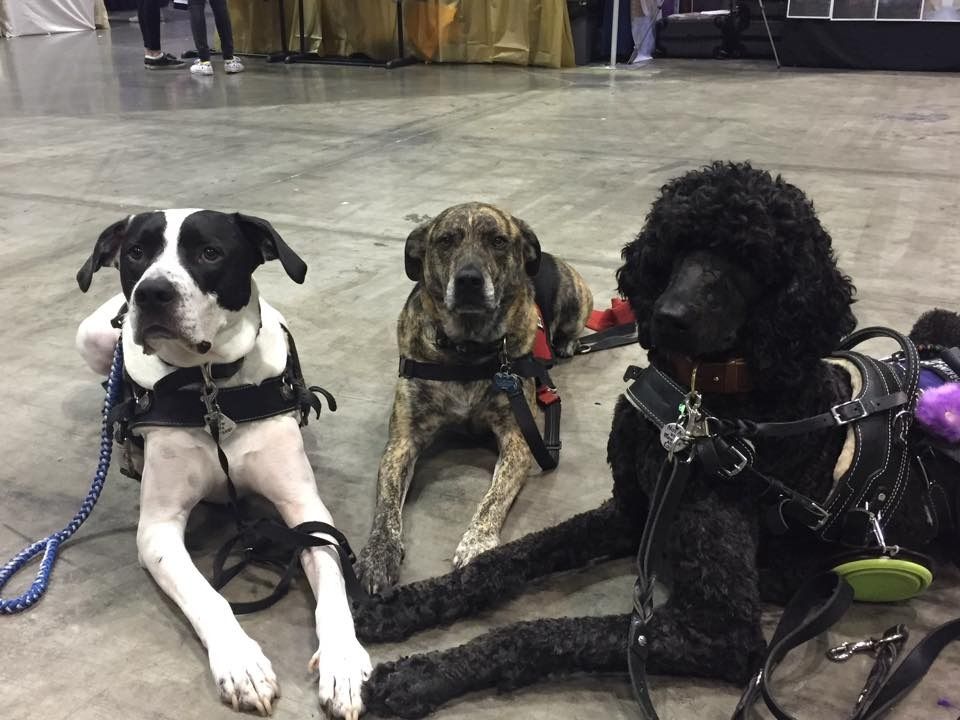 |
| Service Dog Cow, Pointer/American Bulldog Mix Service Dog Luke, Plott Hound/Lab Mix Service Dog Watson, Standard Poodle |
First and foremost, the most important tip you'll ever hear: Do not assume you'll be the exception to the rule.
The goal of having a service dog is to be able to gain back some independence. Getting the same high-energy breed you had and loved as a kid now that you're an adult couch potato is not such a good idea. Just like when training our dogs, you want to set yourself up for success.
I'll mention this a lot throughout the article: It's about the specific dog, not the breed. It's important to remember that dogs are living creatures. They will all have their own personalities. Knowing the common issues for breeds is going to help you narrow it down from all to a few, and from there you can start to look at the individual dogs instead of individual breeds.
You'll also need to research your breeder and the lines they have. Just because a breeder is registered or has papers for their dog does not mean they're a responsible breeder. Take the time to ask questions, see where the dogs are raised, ask around.
Good First-Time Service Dog Breeds
These are just examples, and good first-time breeds are not limited to those mentioned here.
Labradors: There's a reason these are some of the most commonly used dogs. While not all Labs will be happy-go-lucky lovers, there are a lot of responsible breeders out there with some fantastic working lines.
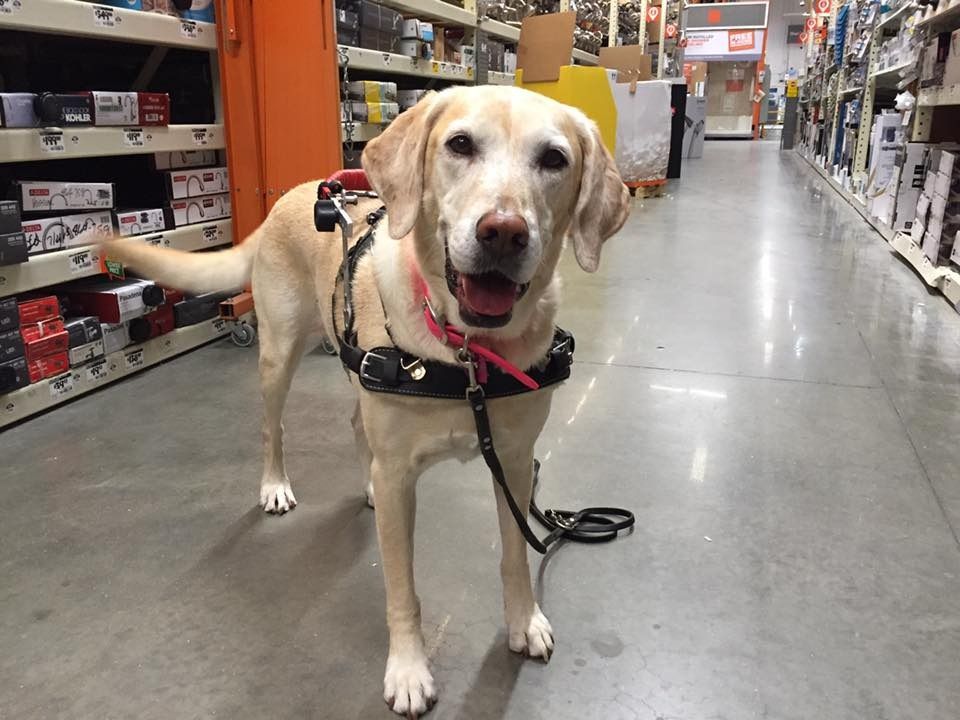 |
| Service Dog Daphne, Yellow Labrador |
Golden Retrievers: Again, there's a reason they're common. While grooming maintenance will be a little more for Goldies than Labs, they tend to be a willing and loyal breed.
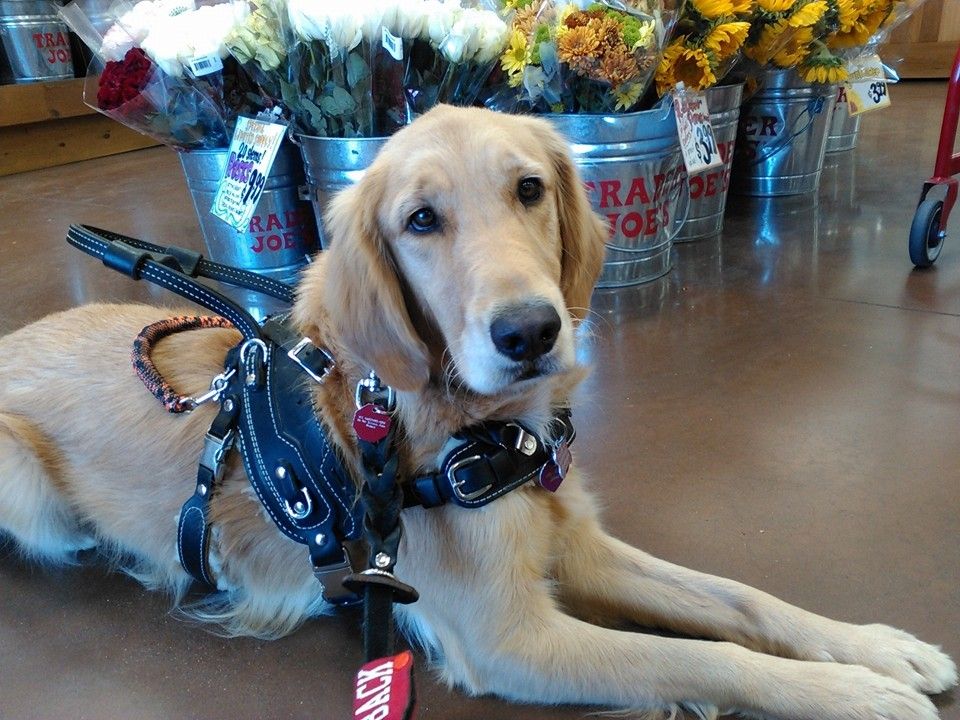 |
| Service Dog Sky, Golden Retriever |
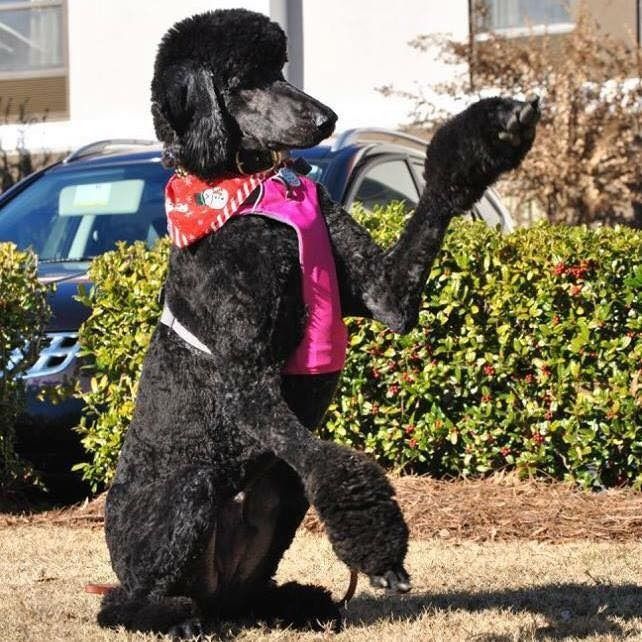 |
| Service Dog Watson, Standard Poodle |
Collies (Smooth & Rough): An incredibly smart breed with a good will to work. However, if you can't keep up with them, they'll leave you in the dirt. Remember to match your potential breed with your own lifestyle. Don't get a Collie if you're hoping to go from a couch potato to a world class mountain climber. Because if you don't make it to be a world class mountain climber and this dog is left to sit around all day, you will suffer. They will find their own thing to do and you will most likely not enjoy it. There are very few dogs out there who wouldn't love to go exploring with you, no matter their breed. So be sure to match a potential dog with your potential worst day to give you the best chance of success.
 |
| Service Dog Lucas, Rough Collie |
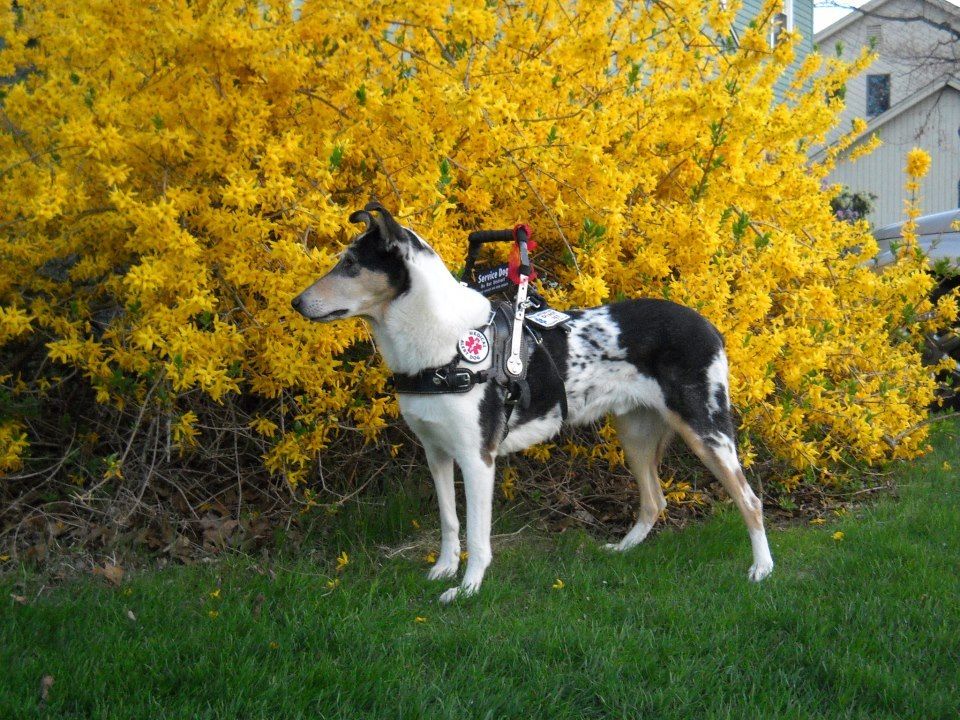 |
| Service Dog Billy, Smooth Collie |
However, they are restricted in some countries. So please be sure, no matter what breed you get, to think long term. Do you plan on travelling? Ask around and see if there are any odd breeds that are restricted in places you're likely to go. In Australia, unless a Greyhound has passed a special test they must be muzzled at all times. Will a muzzle get in the way of your dog's tasks?
This leads me to an important tangent. It's important to be honest with yourself about the impact a dog's breed/looks will have on your life.
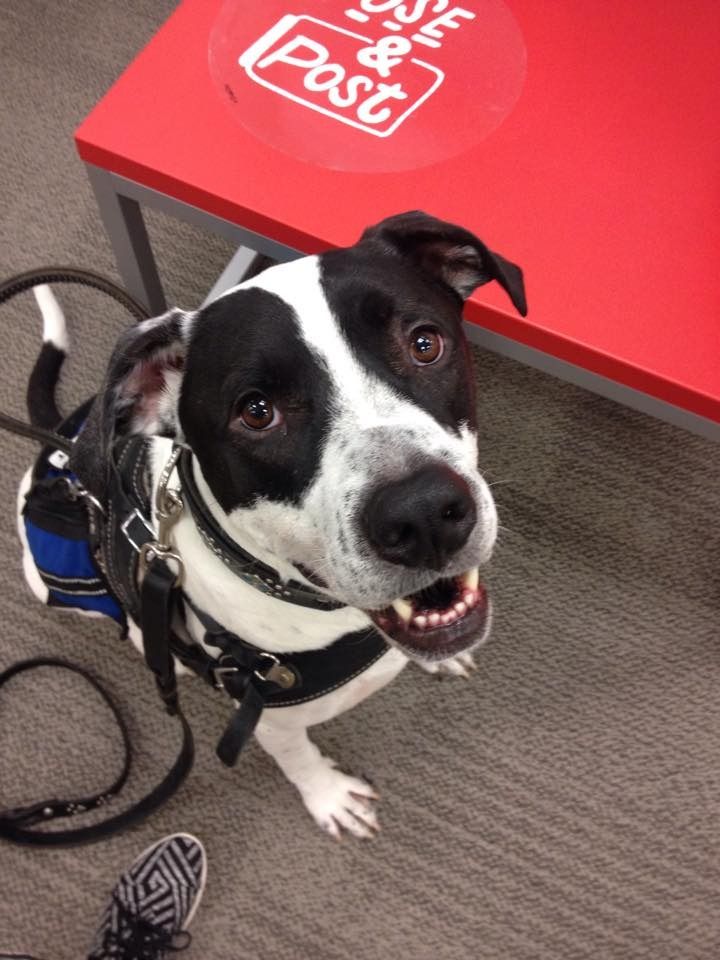 |
| Service Dog Cow, Pointer/American Bulldog Mix |
The breed you choose will affect things like public access. Cold hard truth here, and I'm sorry, but if you go for a bully breed type dog over a Lab, you may find more people acting like morons around your service dog. Of course that's not always the case. I had a Shar Pei service dog in training that I worked with briefly. A lot of people would take the time come over and express how wonderful it was to see a "bully breed" out in public working so nicely.
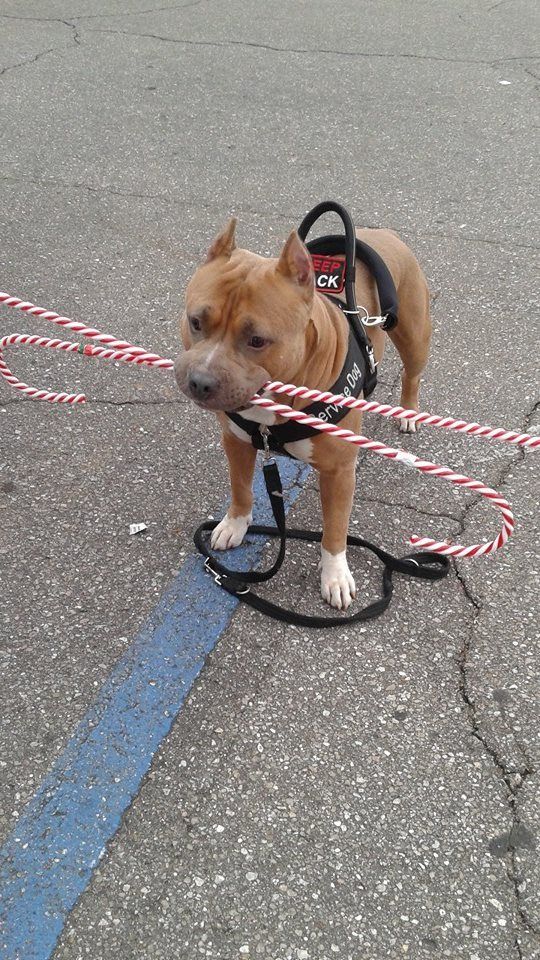 |
| Service Dog Doogan, American Pit Bull Terrier |
Poor Breed Choices for First-Time Service Dog Handlers
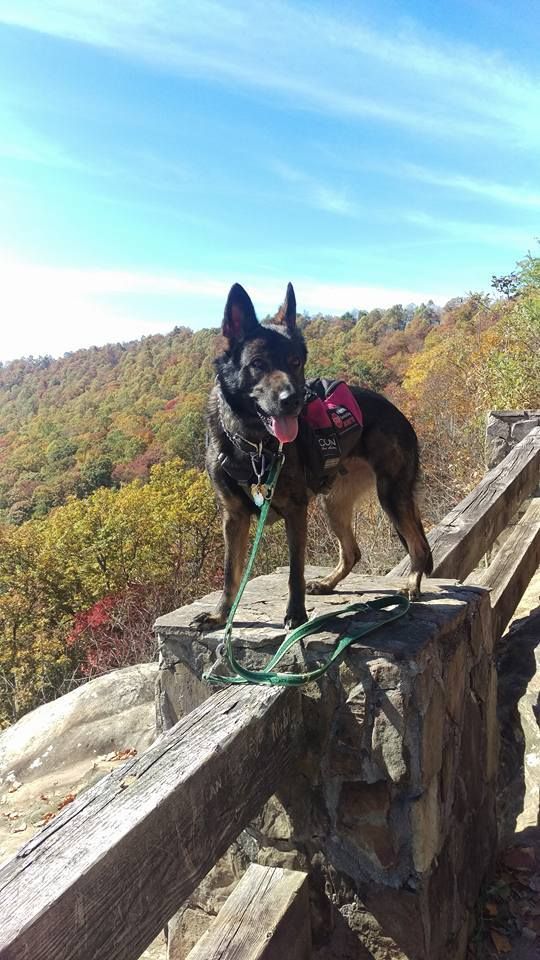 |
| Service Dog Shanti, German Shepherd Dog |
Dobermans
Rottweilers
Huskies
Belgians
Malamutes
Any brachycephalic breed
Any breed that will have a short working career such as a Dane or Mastiff
I won't go into all of the reasons for these because basically they're all the same. These are breeds that are incredibly intelligent and often this intelligence comes with a lot of free thinking.
These breeds can without a doubt make wonderful working dogs, but you need to know how to work with them. Experience is important here. You can, of course, be one of those people who just gets on with it and does fine, but you're trying to set yourself up for a win, remember. So take steps towards these breeds by all means! But don't just jump in because you saw one on a show once and they were amazing.
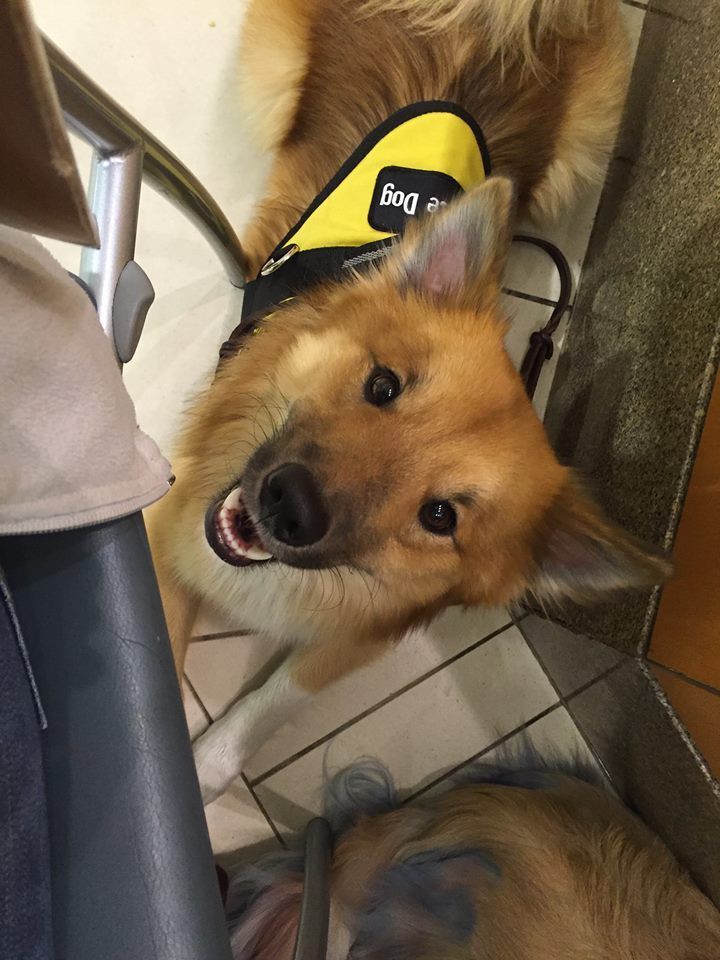 |
| Service Dog Link, Icelandic Sheepdog |
Finally, the slow-to-mature breeds. Again, there's always the exception, but on a whole these types of breeds tend to be more difficult for first-time service dog handlers because they can take longer to mature, which can be tricky when you're hoping to have a dog to support you.
If you're going to go with a giant breed, it is even more important to make sure you find a very reputable breeder and know your breed inside and out. The bigger the dog, the bigger the health issues they tend to have.
Factors To Consider When Considering a New Prospect
Size at maturity: What is the size of the breed that interests you? Keep in mind that males and females can often differ in sizes. It may not be much, but those extra three inches can be the difference between a safe working dog for mobility support and a huge vet bill. Please don't go to a breeder who breeds above-standard sizes—this is a dodgy way of breeding and I can guarantee they're not a reputable breeder if they do such things.
Longevity: This is a big one to consider when thinking of larger breeds for mobility assistance work. Another factor to investigate is the average lifespan of a breed. Please be sure, once again, to be honest with yourself about this issue. You may have heard of that one exception to the rule, a Great Dane who lived to be 10, but know that as a whole the breed on average lives for 5-7 years.
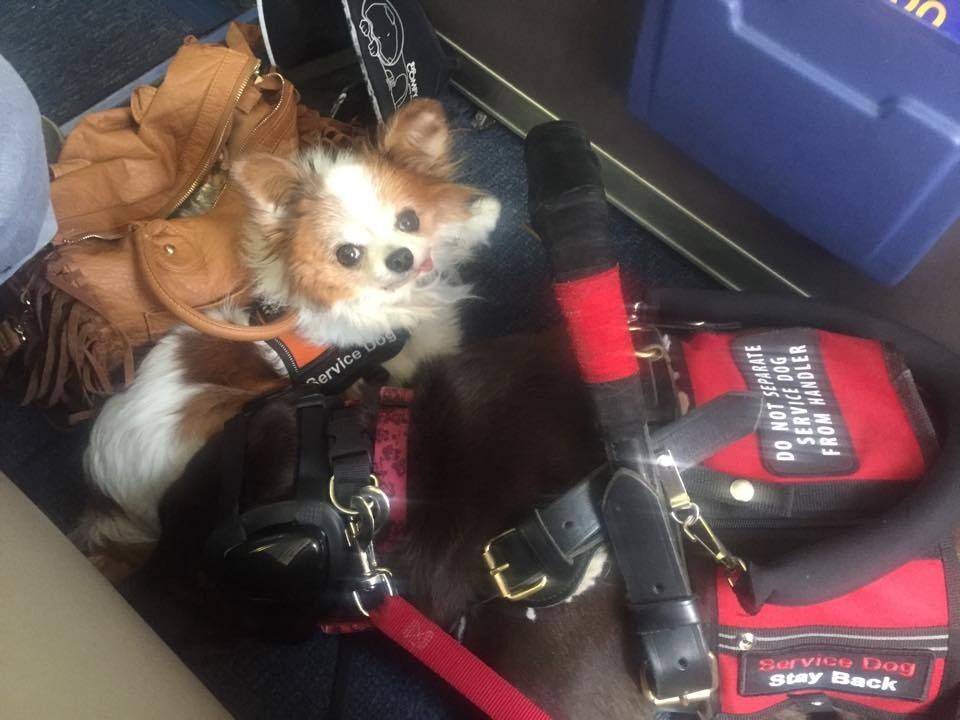 |
| Service Dog Rico, Papillon, and Service Dog Travi, Chocolate Labrador |
A larger or giant breed dog may not mature until well after their second birthday. Make sure to consider its working longevity as well as its general life expectancy. Most Great Danes, while living for 5-7 years, only get 2-5 years of solid mobility work in, as they take longer to mature and if pushed into work too young will need to retire sooner as well.
Hereditary breed traits: Each breed was developed for a purpose. While there are always an exceptions to the rules, you need to think about the general standards of breeds. This dog will be there to make your life easier. Picking your breed based on false or unrealistic possibilities will likely lead to issues for both you and your future partner.
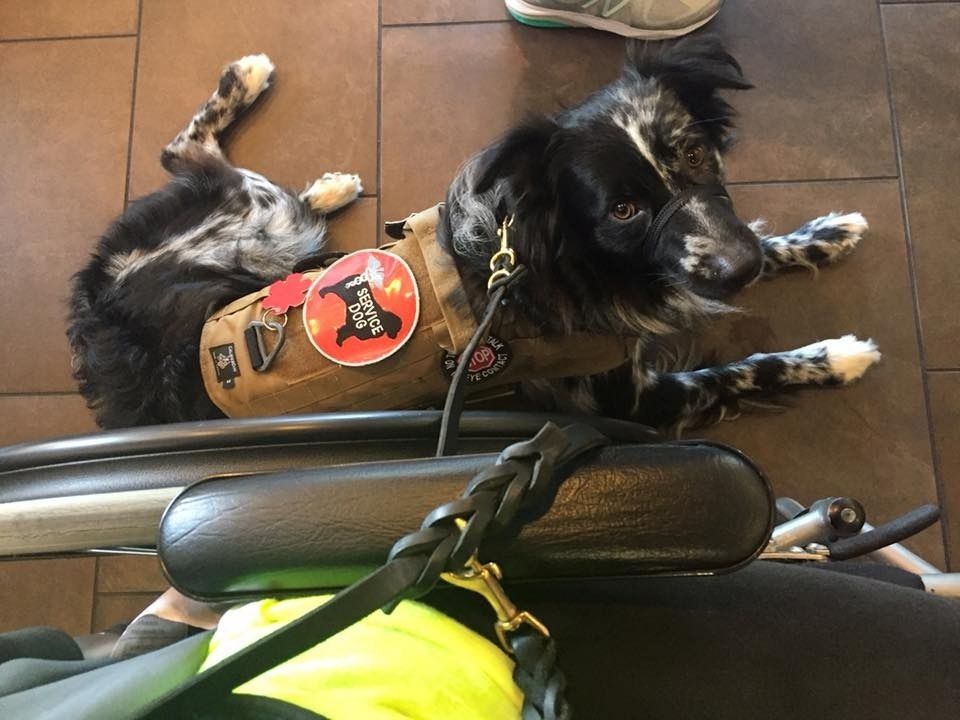 |
| Service Dog Apollo, Australian Shepherd |
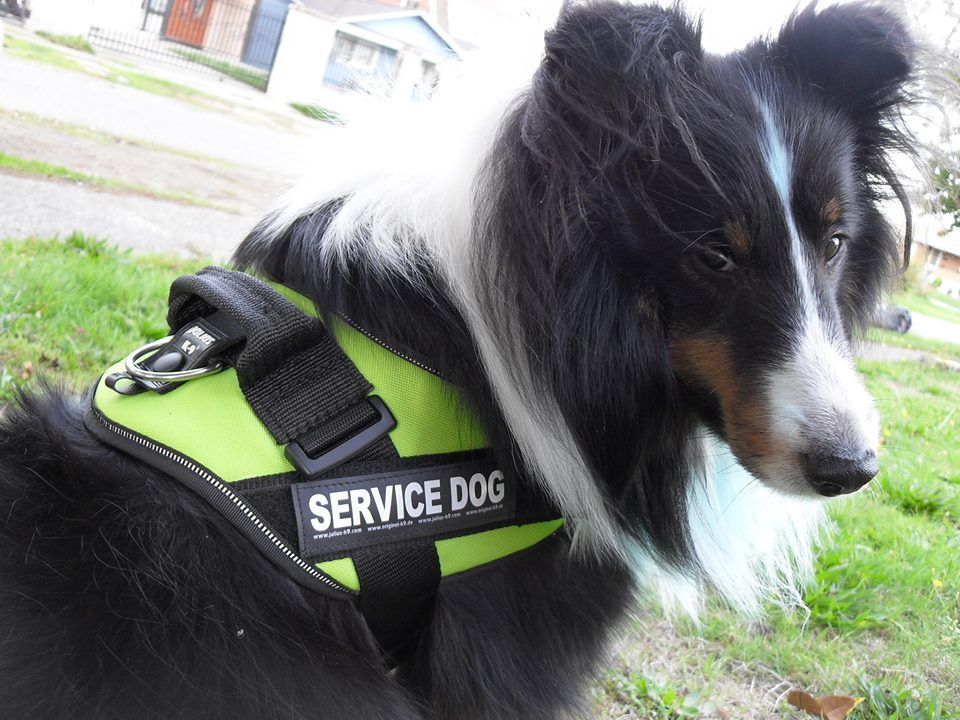 |
| Service Dog Gir, Shetland Sheepdog |
 |
| Service Dog Evan, Doberman Be sure to consider the traits of your own disabilities as well. Breeds with these types of instincts are not generally suggested for people with psychiatric issues as they can become overly protective in times of trouble. |
Coat Care: A simple point that a lot of people don't take into full consideration when making the final choice on breed is that a service dog must be kept at a very high level of grooming and hygiene as they're in areas not usually open to dogs. Once again, please be brutally honest with yourself about this.
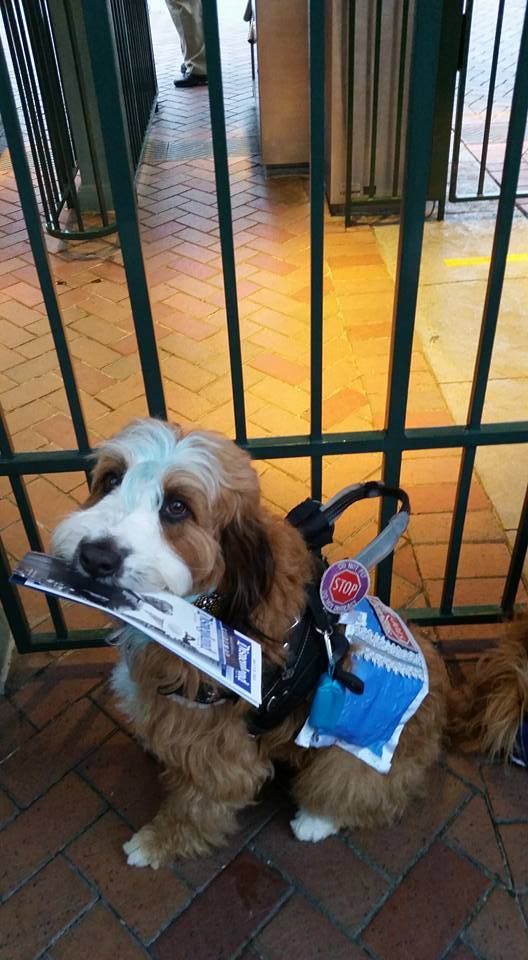 |
| Service Dog Sulley, Mixed Breed (aka Slovakian Mop Dog) |
Age: One of the most important decisions to make is whether to start out with a young puppy or to seek an adult dog, 18 months to three years old, which can commence training immediately. This is a huge thing to consider and has its pros and it's cons.
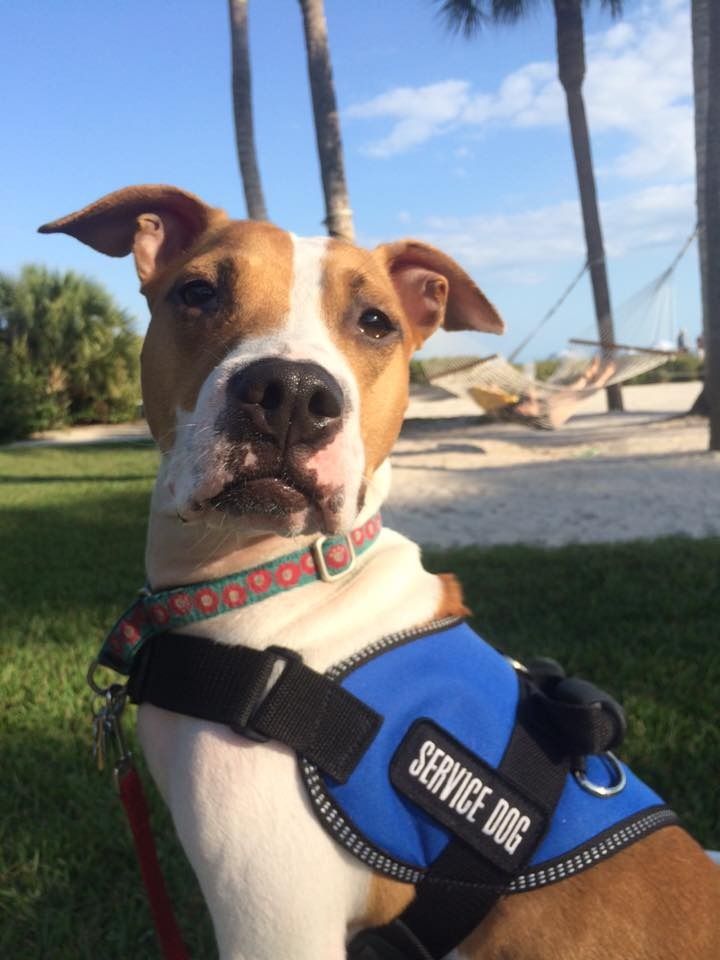 |
| Service Dog Willow, Bully Mix |
Gender: A female usually is smaller and has a shorter coat/less feathering when compared to their male counterparts if spayed. A female is equal to a male in terms of competency in this career. Both genders tend to be pretty even in temperament, but do take into consideration desexing (neutering/spaying).
 |
| Service Dog Bindi, Kelpie |
Keep in mind, there's a lot of interesting research being done about when and how to alter dogs. So please consult a vet and/or do some research online for further information about the pros and cons of these choices to make sure you have the latest information.
Bottom line, everyone is different. Just as every dog is different.
Please take all of these things into consideration when choosing a breed. It's not a decision to take lightly.
Robbi Flynn
Robbi is a service dog handler in Australia who owner-trained her dog, Musa. She can be reached through her website.

Robbi is a service dog handler in Australia who owner-trained her dog, Musa. She can be reached through her website.

